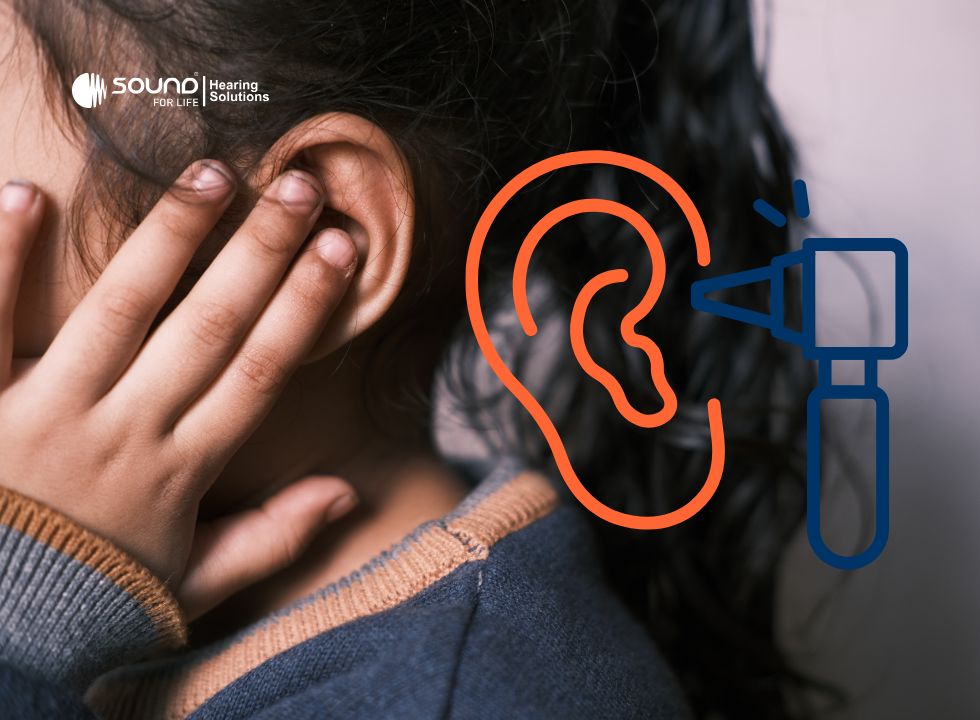

The most important part of being a parent is your child’s health. If your child has recently been suffering from a painful ear infection, which is referred to as Otitis Media in the medical field, you have probably spent a lot of sleepless nights trying to console them, providing eardrops, and going to the paediatrician on multiple occasions.
However, once the fever has subsided and the wailing has stopped, a question that is frequently asked is, “Do I still need to take my child for a hearing test if they appear to be feeling fine now?”
At SFL Hearing Solutions, we often get to hear this question from worried parents across India every day. In short, the answer is yes. The infection may no longer be there, but your child’s hearing may still be affected, which could affect their speech, schoolwork, and social development.
This article will discuss the reasons why a post-infection hearing test is an important stage in the rehabilitation process for your child, as well as how to locate the most qualified audiologist in India who can assist you.
Why Ear Infections Are So Common in Children
In India, ear infections are one of the most frequent reasons parents visit a doctor. Whether it’s due to the changing seasons, the humidity of the monsoon, or common colds circulating in schools, children are particularly prone to these issues.
This is due to anatomical reasons. The tubes that connect the middle ear to the back of the neck are called the Eustachian tubes, and children have shorter and more horizontal versions of these tubes. Because of this, it is quite simple for germs or fluid to become trapped in the middle ear, which has the potential to cause inflammation and infection.
Even while the majority of infections are cured by a course of antibiotics or by the body’s natural healing process, they frequently leave behind fluid. This “hidden” fluid is the main reason you should consider visiting a hearing aid centre near me for a professional check-up.
The Link Between Ear Infections and Hearing Loss
It is a common misconception that hearing loss only happens to older adults. In reality, temporary or “fluctuating” hearing loss is a frequent side effect of childhood ear infections.
1. Fluid in the Ear (Glue Ear)
Even after the pain and infection are gone, thick fluid can remain behind the eardrum. This condition, often called “Glue Ear,” acts like an earplug. It prevents the eardrum from vibrating properly, making sounds seem muffled or distant.
2. Speech and Language Delays
India is a multilingual country, where many children grow up hearing and speaking two or even three languages at the same time apart from their regional mother tongue.
But if a child loses their hearing, even for a few months, especially if they have frequent ear infections that go undiagnosed, it can affect their speech development. When a child is unable to hear properly it becomes difficult for them to catch the words it makes it tougher for them to communicate correctly and with confidence. Getting diagnosed and treated early can benefit them a lot when it comes to developing strong and clear speech abilities.
3. Permanent Damage
Even though it’s not common, untreated or long-term ear infections can harm the small bones in the middle ear or even the eardrum itself. A hearing test done on time makes sure that any problems are found before they become long-term problems.
Signs Your Child Might Be Struggling to Hear
Sometimes, children don’t realize they can’t hear well. They simply adapt to their “new normal.” As a parent, you are the first line of defense. Keep an eye out for these subtle signs after an ear infection:
- Increasing the Volume: Does your child sit too close to the TV or turn up the volume on the iPad higher than usual?
- Lack of Response: Do they seem “distracted” or fail to respond when you call them from another room?
- Speech Changes: Is their speech becoming unclear, or have they stopped using certain words?
- Academic Struggles: Has their teacher noticed a dip in concentration or a “dreamy” attitude in class?
- Pulling at Ears: Even without pain, children may tug at their ears if they feel a sense of “fullness” or pressure.
If you notice any of these, searching for an audiologist in India or a reputable clinic like SFL Hearing Solutions is the right next step.
What Happens During a Pediatric Hearing Test?
Many parents worry that a hearing test will frighten or harm their child. At SFL Hearing Solutions, we make sure the procedure is simple and stress-free for children.
The Initial Assessment
Using an otoscope, a qualified audiologist in India will first examine the child’s ear to check for any fluid, redness or swelling.
Tympanometry
This is a kind of test that is quick and painless to measure how the eardrum moves. It is the gold standard for detecting fluid behind the eardrum (Glue Ear). If the eardrum isn’t moving correctly, it’s a sign that the infection’s after-effects are still present.
Pure Tone Audiometry (for older kids) or Play Audiometry
For younger children, we turn the test into a game. They might be asked to drop a block in a bucket every time they hear a “beep” through their headphones. This helps us determine the exact levels of hearing loss across different frequencies.
Essential Ear Care Tips for Indian Parents
It’s just as crucial to stop the future infection as it is to treat the current one. India has a distinct climate and atmosphere, thus here are some ear care suggestions that all parents should follow:
- Don’t use earbuds: Never use cotton swabs or hairpins to clean your child’s ears. Earwax is pushed deeper by earbuds, which can possibly break the eardrum.
- Dry Ears After Swimming: If your child takes swimming lessons, make sure their ears are completely dry after they swim to avoid “Swimmer’s Ear.”
- Avoid “Home Remedies” in the Ear: In many Indian households, putting warm mustard oil or neem oil in the ear is a common tradition. Please avoid this. Liquid in the ear can worsen an infection or cause fungal growth.
- Manage Allergies: Dust and pollution in cities like Delhi, Mumbai, or Bangalore can trigger allergies that block the Eustachian tubes. Keeping allergies under control helps prevent ear infections.
- Vaccinations: Ensure your child is up to date with their flu and pneumococcal vaccines, as these viruses often lead to ear infections.
Finding the Right Care: Hearing Aid Centre Near Me
When it comes to your child’s hearing, you shouldn’t settle for anything less than expert care. While many general clinics exist, visiting a specialized hearing aid centre near me ensures you have access to pediatric-specific diagnostic tools.
At SFL Hearing Solutions, we bring together the newest hearing technology and a warm, caring approach. We know what life is like in India, the milestones children are expected to reach at school and the noisy places they often grow up in. We work with families and teachers, explain things simply, and make personalised plans so every child gets the right support for hearing and learning.
Frequently Asked Questions (FAQs)
Question 1. How long should I wait after an infection to get a hearing test?
Answer: The majority of audiologists advise delaying up to 2 to 4 weeks after the infection has resolved. This allows the fluid to discharge naturally. Book an appointment immediately if symptoms such as impaired hearing persist beyond this time frame.
Question 2. Can a child’s hearing return to normal on its own?
Answer: In many cases, yes. Once the fluid drains, hearing usually returns to normal. However, if the fluid stays for more than three months, it can impact development, which is why monitoring is essential.
Question 3. Will my child need a hearing aid?
Answer: Not necessarily. Most post-infection hearing issues are conductive and temporary. They are usually managed with medical treatment or minor procedures. A hearing aid is typically only recommended for permanent sensorineural hearing loss.
Question 4. Are ear infections more common in the monsoon?
Answer: During the India monsoon, the air is very humid, and the number of viral illnesses rises. This means that kids often get more middle ear infections. Stay away from sick people in busy places and make sure your kids stay dry.
Question 5. How do I find a reliable audiologist in India?
Answer: You should look for clinics that are officially certified, have good reviews from patients, and provide special tests just for children.
SFL Hearing Solutions is a trusted name with many locations that are set up to help families and children get the care they need.
The Importance of Action
Leaving hearing loss undiagnosed even if it’s “just a little” muffled is like asking your child to learn in a room where the teacher is whispering. In the early years of life, every sound matters. From the “Honk-Honk” of the rickshaw to the nursery rhymes in school, these sounds build the foundation of your child’s brain.
Don’t let a past ear infection hold your child back. A simple 20-minute hearing test can provide you with the peace of mind that your child is hearing the world in high definition.
Infections of the ear are quite common in children as they are growing up; however, these infections should not have any impact on the children’s ability to hear or speak in the future. If you provide your child with the appropriate care, regular checkups, and timely advice from a skilled audiologist in India, you will be able to safeguard their hearing and provide them with a life that is full of strength and self-assurance.
If you are looking for a trusted hearing aid centre near you, SFL Hearing Solutions is here to help. At SFL Hearing Solutions our clinics are easy to reach in almost every major city across India. Families receive honest advice, proper hearing tests, and kind, ongoing care from our team. We help each child one by one so they can hear clearly, do better at school, and grow more confident.
Book a free hearing consultation at SFL Hearing Solutions | Call: +91 90 1540 1540
Disclaimer: This article is for educational purposes only. Please consult a qualified audiologist for personalized advice.