
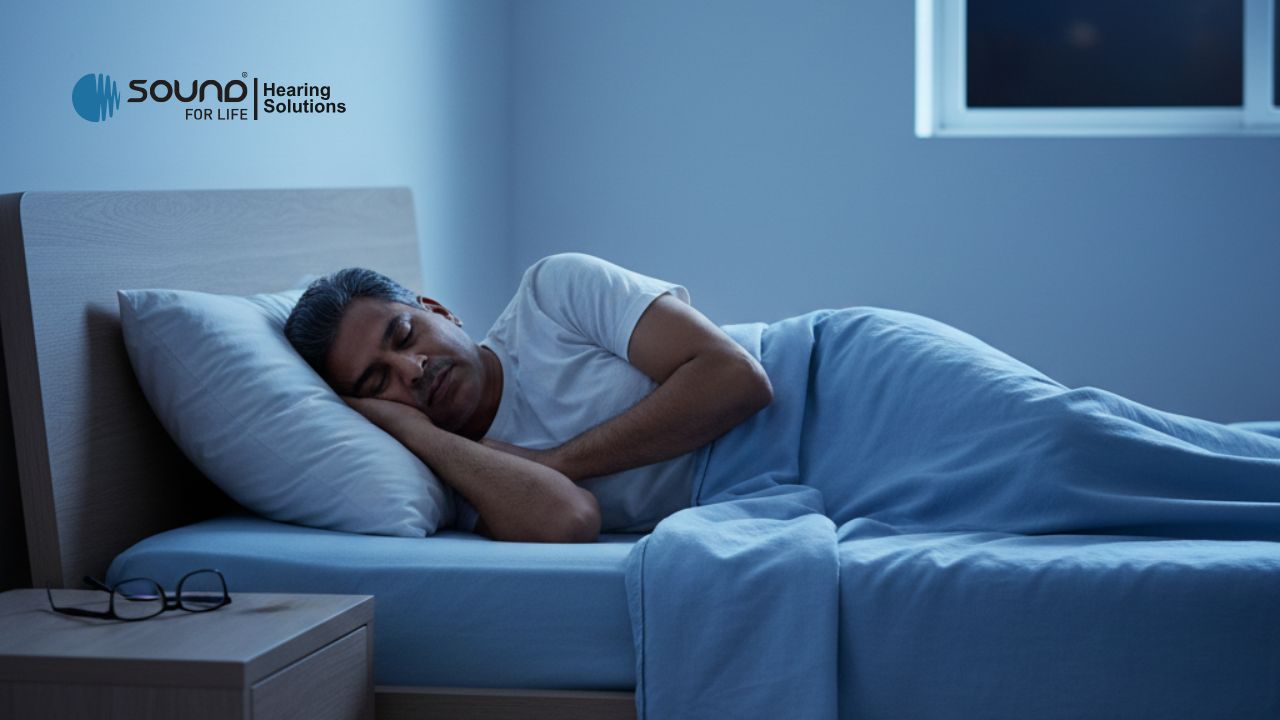

For many Indians over 50, life is a delicate balancing act. Managing sugar levels, keeping up with the grandchildren, and navigating the social dynamics of a joint family. You understand the importance of managing health issues like blood pressure and joint pain, but how often do you connect your nightly sleep to your ability to hear clearly?
At first glance, sleep quality and hearing health seem like two separate concerns. However, modern research is proving that they are deeply interconnected, forming a vital feedback loop that can either sustain or rapidly erode your well-being.
In India, where evolving lifestyles, chronic conditions such as diabetes, and the natural ageing process intersect, this connection is especially significant. Sleep deprivation can expedite hearing impairment, and impaired hearing can disrupt peaceful sleep.
SFL Hearing Solutions is one of the most trusted hearing clinics around India, which is committed to addressing the individual as a whole. In this article, let us explore this unexpected correlation, assist you in identifying the indications, and provide practical ear care recommendations to safeguard both your sleep and your hearing.
1. Reality of Hearing Loss after 50
Age related hearing loss is known as Presbycusis, which is a very common ailment that usually occurs as we get older. It usually begins around the age of 50 and progresses slowly.
How hearing changes
This hearing loss often comes on quietly. You still hear sounds, but they lose their clarity. High-pitched sounds are the first to go, so consonants like s, t, and f become harder to hear. That’s why words can sound muffled or unclear even when the volume is fine.
Everyday examples for older adults in India
For many older Indian adults, this looks like:
- Finding it hard to follow fast-paced dialogue on TV, especially in Hindi or regional shows.
- Missing parts of conversations in crowded places, temples, busy markets, or noisy family gatherings.
- Often asking children or younger relatives to repeat what they said.Struggling to hear at weddings or festivals where music is loud and there’s a lot of background noise.
These problems are often made worse after years of living in noisy environments, traffic, construction, loud music at celebrations which are common in many Indian cities.
Why diagnosis is often delayed
There are strong social reasons people delay seeking help. Many older people think, “It’s just old age so nothing to be done,” or they worry about what others will think. Because of these reasons, they most of the time avoid proper hearing tests. That delay matters, because catching hearing loss early makes it easier to manage.
Why early action helps
Getting a hearing check sooner can improve everyday life. Early steps, simple hearing tests, advice from a doctor or audiologist, and using hearing support when needed can make conversations clearer and reduce stress. Treating hearing loss early also helps with sleep, mood, and staying socially active.
If you or an older family member is struggling to hear, a basic hearing test is a good first step. It can make a big difference to daily life and relationships.
2. The Silent Sleep Crisis in Older Indians
Sleep is the time your body and brain repair themselves. For adults over 50, achieving restorative sleep becomes harder due to physical changes and common health issues.
Common Sleep Disruptors in India
- Noise in the Home: In many traditional or joint family structures, the home environment can be noisy late into the night. Conversations, late-night TV, or temple sounds can constantly interrupt light sleep.
- Chronic Health Issues: Conditions prevalent in India’s over-50 population, including Type 2 Diabetes, hypertension (high BP), and chronic pain, all directly interfere with deep, restorative sleep cycles.
- Obstructive Sleep Apnea (OSA): Severe snoring and periods of stopped breathing at night are common. OSA causes repeated drops in blood oxygen levels, placing immense stress on the entire vascular system, which is crucial for ear health.
When sleep is chronically interrupted, the body remains in a state of low-grade stress. This state of imbalance is where the connection to hearing loss begins.
3. The Vicious Cycle: How Sleep and Hearing Collide
The link between sleep and hearing is primarily biological and neurological. They affect each other in a destructive loop.
A. How poor sleep harms your ears (the biological link)
The inner ear called the cochlea is very delicate and needs a steady blood supply to work properly. Poor sleep weakens ear health in three main ways:
- Vascular strain: Bad sleep, and conditions like sleep apnea, raise inflammation and blood pressure. That harms the tiny blood vessels that feed the cochlea. When those vessels don’t deliver enough oxygen and nutrients, the tiny hair cells that turn sound into nerve signals can be damaged, leading to sensorineural hearing loss.
- Weakened immunity: Not sleeping properly lowers your immune defenses. A weaker immune system makes the inner ear more likely to get infections from viruses or bacteria, which can sometimes cause sudden or lasting hearing loss.
- Stress hormones: Poor sleep raises cortisol, the stress hormone. High cortisol can be toxic to ear tissues and often makes tinnitus (ringing in the ears) and sensitivity to sound worse.
Taking sleep seriously helps protect your hearing health.
B. How Sleep Is Affected by Hearing Loss (The Tinnitus Link)
Tinnitus is the most obvious way that hearing problems interfere with sleep. The sensation of sound (such as ringing, buzzing, or clicking) in the absence of outside sound is known as tinnitus.
- Silence and Tinnitus: The tinnitus is frequently obscured during the day as the brain concentrates on outside noises. The internal sound gets too loud at night when everything else is silent.
- The Cause of Insomnia: Tinnitus’s incessant ringing keeps many older Indians with age-related hearing loss from going asleep or waking up for hours at a time, resulting in chronic sleeplessness.
A vicious cycle develops whereby tinnitus from hearing loss leads to restless nights, which in turn hasten the underlying vascular issues that exacerbate hearing loss. The secret to dual recovery is to break this loop.
4. Time for a Specialist: The Role of an Audiologist in India
If you or a loved one over 50 is struggling with sleep disruptions and difficulty hearing, now it is time for a professional assessment. You need more than just general advice; you need specialized help from an audiologist in India.
When to Book a Hearing Test
Do not wait for complete silence. If you notice or feel any of these signs, book a comprehensive hearing test immediately:
- You or your spouse complains about loud snoring or irregular breathing at night.
- You wake up constantly due to ringing or buzzing in the ears (tinnitus).
- You frequently misunderstand key words during family conversations.
- You feel mentally exhausted after a noisy day, which makes it harder to relax at night.
Why an Audiologist is Your Best Resource
A qualified audiologist in India at a trusted center will understand the systemic link between your overall health and your hearing.
- The Audiologist will start by a comprehensive hearing assessment to determine where sound clarity has decreased, usually the first sign of ageing or sleep-related strain. The evaluation includes a clinical audiogram and specialised Speech-in-Noise (SIN) tests to see how well you understand speech against background noise.
- They will also measure and describe any tinnitus, identifying its type and how severe it is, then offer practical options such as sound therapy or masking techniques to make sleep easier.
- If you have a history of obstructive sleep apnoea (loud snoring and being fatigued throughout the day), the audiologist may send you to a sleep expert for a polysomnography (sleep study). Treating sleep apnea can improve circulation and ease pressure inside the ear, which may help protect and in some cases improve your hearing.
5. Ear Care Tips and Sleep Strategies for a Better Tomorrow
Either improving one aspect, hearing or sleeping, will inevitably help the other. Here are targeted ear care tips and lifestyle adjustments for older Indians.
Tips for Hearing-Focused Ear Care
- Manage Tinnitus at Night: In India, where hearing loss is quite prominent, the audiologist might recommend sound therapy to treat Tinnitus. By masking the ringing, these soothing background noises can help the brain block out the noise and help you fall asleep more easily. The audiologist might recommend the use of white noise machine, a fan, or a specialized tinnitus app.
- Use Hearing Aids Regularly (But Not in Bed): If your local hearing aid facility near me has given you a gadget, wear it all day long. This keeps your brain busy processing sound, which stops auditory deprivation that can make tinnitus worse at night. Before going to bed, don’t forget to take out your hearing aids and put them away carefully.
- Make sure your sleeping location is quiet: If you live in a busy neighbourhood or have a big family, you might want to use cheap foam or custom-molded earplugs just for sleeping to block out noise.
Sleep-Focused Lifestyle Tips
- Mind Your Diet and Digestion: Avoid heavy, spicy meals (e.g., rich curries, heavy sweets) close to bedtime. Traditional Indian meals can cause digestive distress that interrupts sleep. It is best to have your dinner, at least three hours before bed.
- Routine and Timing: Especially the older adults should go to sleep and wake up at the same time every day, even including weekends as this found be quite beneficial as this helps regulate the body’s internal clock (circadian rhythm).
- Manage Screen Time: Avoid mobile phones and tablets for at least an hour before sleep. The blue light stops the body from generating melatonin, which makes it difficult to sleep. Instead, read a book or listen to Indian classical music that will help to relax your brain and make you fall asleep more peacefully.
- Consult a Sleep Specialist: If you have a problem of severe snoring or you are often tired throughout the day, you might need a specialized sleep hearing test that may be required to rule out Obstructive Sleep Apnea. Treating OSA is a critical step in preserving vascular health and preventing further hearing loss.
6. FAQs: Sleep, Hearing Aids, and Tinnitus
Question 1: Should I wear my hearing aids when I sleep?
A: No. You should always remove your hearing aids before going to bed. Sleeping with them can damage the device, cause whistling (feedback), and block your ear canal, which is a poor ear care tip. The goal is to let your ears rest, but if you struggle with tinnitus, use a separate sound machine or app to provide masking noise.
Question 2: What is the single biggest connection between sleep and hearing loss?
Answer: The biggest connection between sleep and hearing loss is vascular health. Poor sleep, especially from untreated Obstructive Sleep Apnea, causes repeated dips in blood oxygen and high blood pressure. This vascular stress damages the extremely tiny blood vessels supplying the inner ear, leading to irreversible sensorineural hearing loss over time.
Question 3: My doctor suggests a hearing test, but I hear fine. Why should I go?
Answer: A basic conversation might seem fine, but an audiologist in India performs a comprehensive hearing test that measures clarity and high frequencies, the first areas affected by age or vascular issues. Getting a baseline test now allows for monitoring and early intervention, which can significantly slow the progression of hearing loss.
Question 4: If I suspect I have hearing loss, where is the best place to find help?
Answer: The best place is a reputable hearing aid centre near me that is run by licensed audiologists in India. Look for centers that offer comprehensive diagnostic services and provide an after treatment follow-up care, rather than just selling devices and their other equipment. A certified professional will conduct the right tests and provide personalized solutions that fits perfectly to your lifestyle and budgets.
Question 5: Can using a hearing aid improve my sleep quality?
Answer: Indirectly, yes. If your primary sleep issue is mainly Tinnitus (ringing in the ears), using a hearing aid throughout the day improves how your brain interprets outside noise. With the help of white noise, for many people with hearing loss, this daytime stimulation reduces the severity of the tinnitus at night, making it easier to fall and stay asleep.
Improving your sleep also helps the tiny blood vessels in your inner ear work better, making your hearing stronger and more resilient.
Don’t let poor sleep or untreated hearing loss quietly steal the joy from your later years.
A small step now can make a big difference.
Book a free hearing consultation at SFL Hearing Solutions | Call: +91 90 1540 1540
Disclaimer: This article is for educational purposes only. Please consult a qualified audiologist in India for personalized advice.